Etch Pots by Capra Designs in Singapore: Textured Planter Styling for Indoor Plants
Posted on September 15 2026
Etch Pots by Capra Designs in Singapore: Textured Planter Styling for Indoor Plants
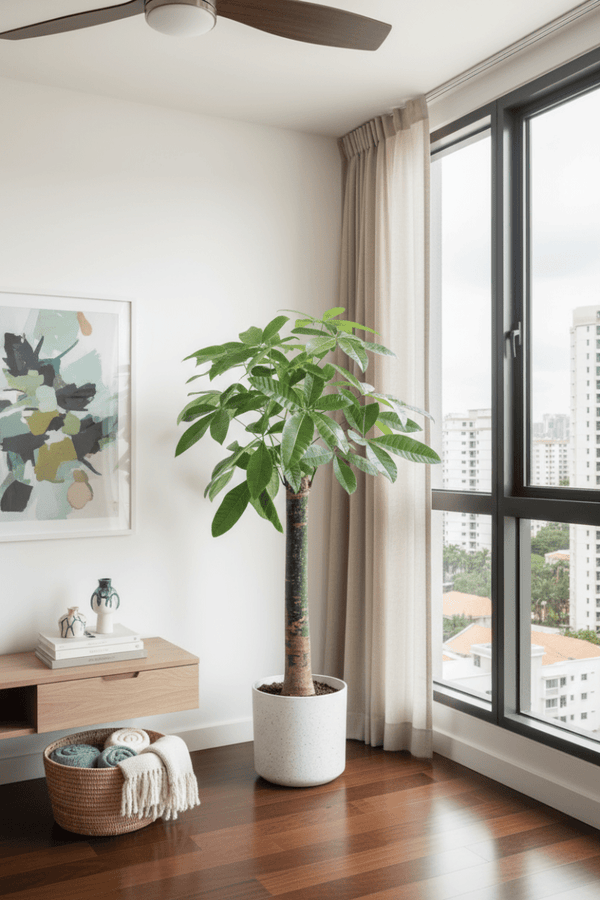
Some indoor plant corners need a little more texture, but not necessarily more colour. That is where Etch Pots by Capra Designs work especially well for Singapore homes: they add a handcrafted, tactile finish while staying calm enough for everyday shelves, side tables and bright window areas.
This guide walks through how to style the Etch Pot with indoor plants, where it works best in compact apartments, and how to balance a textured planter with foliage so the whole corner feels intentional rather than cluttered.
Why choose a textured planter for indoor plants?
Many Singapore homes already have a mix of clean walls, tiled floors, wood furniture and compact built-ins. A smooth pot can look neat, but a softly textured planter gives your plant corner more depth without needing extra decor. The etched resin finish catches light gently, so it works in both bright living rooms and softer bedrooms.
The key is restraint. Instead of pairing every plant with a statement pot, use one textured planter as the anchor and let nearby plants sit in simpler pots. This creates a layered look that still feels calm and easy to maintain.
Best spots for Etch Pots in Singapore homes
- Living-room side tables: Use the pot as a small focal point beside a sofa, media console or reading chair.
- Bright shelves: Pair it with a trailing or compact plant so the texture sits at eye level.
- Work desks: Choose a modest plant size so the pot adds warmth without taking over your workspace.
- Entry corners: A textured planter near the door softens hard flooring and makes the home feel more welcoming.
If the area receives bright indirect light, browse suitable indoor plants and match the plant to the light first, then choose the pot. A beautiful planter cannot compensate for a plant being placed in the wrong conditions.
Plant pairings that suit Etch Pots
Etch Pots look best with plants that have clear foliage structure. Rounded leaves, upright stems or gentle trailing growth all work because they contrast nicely with the pot texture.
- Compact leafy plants: Good for shelves, desks and console tables where the pot should be visible.
- Trailing plants: Let vines soften the edge of the pot, especially on higher shelves.
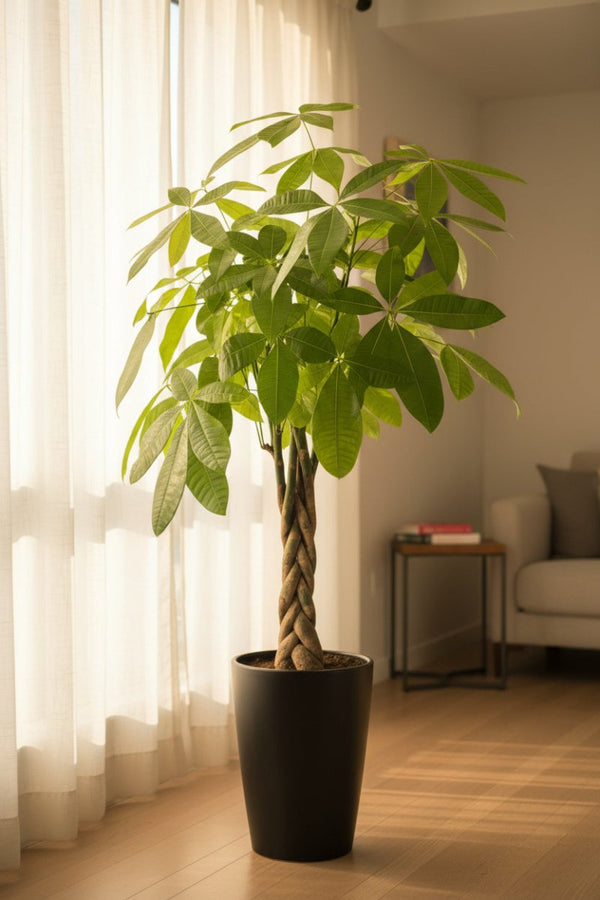
- Upright foliage plants: Use a clean vertical plant shape when you want the planter to feel more architectural.
For a cohesive corner, repeat one colour from the room — such as warm wood, cream upholstery or muted stone — rather than trying to match everything exactly. The pot should feel connected to the space, not overly coordinated.
How to style the pot without overcrowding the corner
Start with one hero plant in the Etch Pot, then add only one or two supporting elements. A smaller plant, a book stack or a simple tray is usually enough. In compact HDB and condo layouts, leaving negative space around the planter often makes the whole arrangement look more premium.
Try this simple formula:
- Place the Etch Pot at the visual centre of the shelf, console or corner.
- Add one plant with a different height or leaf shape nearby.
- Keep accessories low and simple so the planter texture remains the feature.
If you are refreshing several pots at once, browse plant pots and planters by shape and finish, then choose one standout texture and a few quieter companions.
Care notes when using decorative pots
Always check how your nursery pot sits inside the decorative pot. If there is no drainage hole in the outer pot, remove the plant for watering or make sure excess water is emptied after watering. Singapore's humidity means soggy roots can become a problem quickly, especially in air-conditioned rooms where evaporation is slower.
A good habit is to water the plant based on soil moisture rather than a fixed calendar. Let the plant's needs guide the routine, and use the decorative pot to complete the look once the care basics are right.
FAQ
Are Etch Pots suitable for small apartments?
Yes. Their textured finish adds detail without needing a large footprint, which makes them useful for shelves, desks, console tables and compact plant corners.
Can I use Etch Pots for all indoor plants?
Choose the plant based on light and watering needs first. The pot is best treated as the decorative outer layer, especially if your plant still needs drainage from its nursery pot.
How do I keep a textured planter from looking too busy?
Pair it with simpler pots nearby, repeat one soft colour from the room, and avoid crowding the area with too many decorative objects.
For more indoor plant styling ideas, explore Tumbleweed's plants, plant pots and planters collections.